Kruvestal:
Kruvestal: Understanding How Markets Organize and Flow
Sign up now
 Kruvestal


Sign up now
Financial systems function through multiple interconnected layers where policies, capital flows, and participant behaviours interact. Each decision or economic signal can create subtle shifts that cascade across markets, shaping patterns that are not always obvious at first glance. Analysing these connections helps learners recognise how various forces converge to influence overall market dynamics.
Examining liquidity and the flow of orders reveals how different asset classes respond under similar conditions. By comparing how equities, bonds, and commodities adjust during economic expansions or contractions, individuals can identify trends in participation and allocation. Interpreting these flows offers a perspective on how capital moves between sectors and how expectations form across financial communities.
Evaluating the role of institutions highlights another dimension of market behaviour. Large scale participants often affect market trends through volume, timing, and strategic positioning. Analysing these movements alongside economic cycles and short versus long term behaviours allows learners to view individual price changes as part of a structured, interconnected system rather than isolated events.

Exploring finance for the first time can be overwhelming. Kruvestal makes this stage simpler by pointing people to places where financial discussions happen often. The site itself does not teach, but it links learners to organisations that examine market patterns, review economic trends, and evaluate how financial systems respond to changes. Engaging with these discussions helps individuals notice patterns and understand connections, without implying any promise of investment results or personal financial outcomes.

People explore financial education for various reasons. Some start by trying to understand how asset values shift during different economic phases. Others are curious about how financial signals emerge and interact across industries and sectors, using these insights to guide their learning journey.

Learning over time shifts focus from surface reactions to structured decision processes. Instead of reacting instantly, individuals begin evaluating how timing, positioning, and liquidity interact within a trade. For example, entering a position near a crowded price level may lead to slower movement, while entering near a gap can create sharper reactions. Interpreting these differences helps shape more controlled and deliberate decisions rather than quick responses.
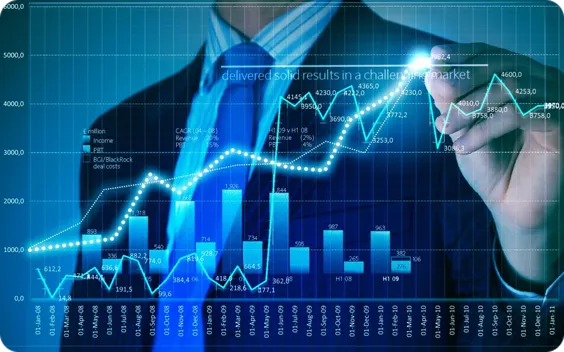
A different perspective emerges when individuals engage with structured discussions around trading behaviour. Kruvestal connects individuals with organisations where these discussions take place, allowing participants to explore how trading activity forms over time.

Markets tend to progress through gradual change rather than sudden shifts. Activity often reflects how participants adjust to evolving economic conditions. Examining these changes helps learners understand how financial environments move through various stages. Discussions in learning settings often focus on how participation adapts when growth slows, sectors adjust, or expectations among investors shift, highlighting how market behaviour forms incrementally.
Financial activity rarely stems from a single factor. Market behaviour often results from the interaction of several developments, such as policy changes, new economic data, or shifts in participant expectations. Learning discussions encourage individuals to analyse multiple signals together. Interpreting these influences collectively provides a clearer understanding of how different elements combine to shape financial environments.
Market behaviour is often shaped by how capital rotates between sectors rather than broad economic narratives alone. When funds begin moving from one asset group to another, it can create sustained directional pressure even without major external triggers. For instance, a shift from defensive sectors into growth assets may signal changing expectations in positioning rather than immediate economic change.
Financial discussions often refer to materials that clarify how markets operate. These may include economic data, prior price patterns, analytical references, and commentary used to examine market behaviour. Observing these resources within conversations helps learners understand how analysts approach financial systems. Exposure to these materials also shows how market activity mirrors economic developments and evolving expectations.
Educational discussions frequently examine the resources analysts rely on. Charts tracking market trends, economic indicators summarising national performance, and reports analysing corporate activity are commonly referenced. Observing these materials in context helps learners interpret how information is used and how financial observers approach the study of market activity.
Examining earlier financial periods allows learners to see how markets responded under varying conditions. Comparing historical events highlights how policy changes, economic announcements, and shifts in investor expectations affected market activity. This approach helps individuals understand that certain behaviours can repeat across multiple cycles, providing insight into how financial systems adjust over time.
Market activity often reflects the balance between aggressive buyers and sellers rather than a mix of broad influences. When one side dominates, price can shift even without clear external triggers. For example, a cluster of buy orders absorbing available supply can create upward pressure, while heavy selling interest can stall movement despite positive sentiment.
Early exposure to trading discussions can shift attention toward how activity forms in real time. Kruvestal connects individuals with environments where participants break down market behaviour through examples and shared analysis. These discussions often focus on how entries, exits, and positioning influence outcomes within specific scenarios.
For many beginners, the first step in financial learning is finding spaces where market ideas are explored through discussion. Kruvestal helps at this stage by linking individuals to organisations that host conversations about financial systems. The site itself does not provide lessons. Instead, it directs learners to environments where topics are examined through observation, dialogue, and shared analysis. Within these spaces, discussions often focus on economic indicators, asset behaviours, and broader factors shaping financial environments.
Connections introduced via Kruvestal can lead to discussions that analyse financial information from multiple perspectives. Learners may consider how economic shifts affect markets, how past conditions influenced behaviour, and how responses vary across financial systems. Observing these perspectives helps individuals recognise how different signals interact and affect market activity.
Within these environments, a structured approach to reviewing financial information often emerges. Participants may compare conditions across periods, track patterns, and examine emerging signals. This encourages learners to engage thoughtfully with discussions while gradually building a clearer understanding of how financial systems evolve over time.

Access to digital financial discussions allows learners to study topics from anywhere. Instead of attending physical classrooms, participants can follow conversations about economic developments, market systems, and financial behaviour online.
This convenience makes it easier for individuals to explore financial topics at their own pace. Without the need to travel or adhere to fixed schedules, learners can join discussions and revisit ideas whenever convenient. Removing location constraints allows more people to engage in financial learning and understand how markets operate.
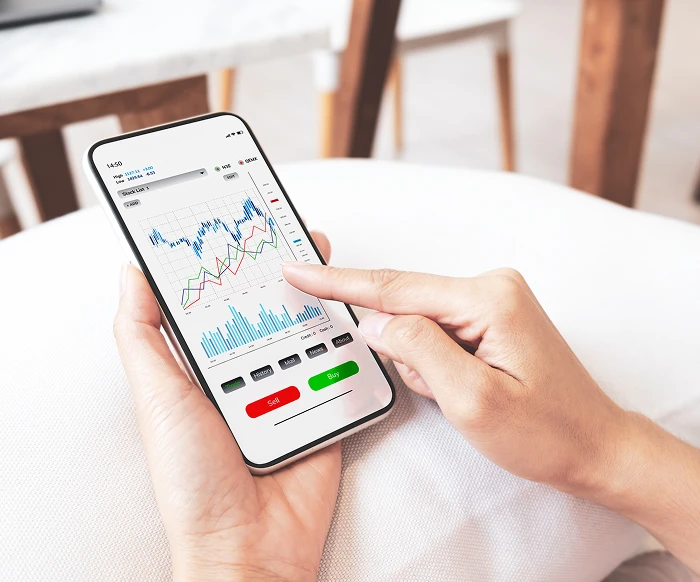
Flexible learning schedules allow individuals to revisit trading decisions rather than moving on too quickly. Instead of focusing only on outcomes, attention can shift toward why a position was taken, how timing influenced the result, and whether risk exposure matched the situation. Revisiting these moments helps break down decisions step by step, making patterns in behaviour easier to recognise.
Online environments often cover various financial subjects at once. Learners can see how different assets move, how market participants react, and how economic events influence overall trends. For example, observing both bond and stock movements together can reveal surprising connections. Studying multiple areas collectively encourages thinking about markets as interrelated systems rather than isolated events.
Financial discussions often bring several ways to interpret the same event. Analysts may use distinct approaches, frameworks, or assumptions to explain market behaviour. Think of it like reading three different reviews for the same movie each highlights something new. Observing multiple interpretations helps learners notice patterns in reasoning and encourages thinking beyond a single perspective.
Markets evolve as economic situations and global conditions shift. Following online discussions over time allows learners to revisit concepts while seeing how developments influence financial activity. For instance, observing how a commodity market reacts to seasonal changes can reveal decision making trends. Continued observation encourages a broader understanding of how financial environments develop and respond across different periods.
Many financial conversations examine trading environments using measurable data and real market examples. Instead of relying on opinions, these discussions often assess evidence from economic reports and observed trading trends. sites such as Kruvestal connect learners to discussions where financial behaviour is analysed using these forms of evidence.
Within educational discussions, reviewing information from multiple sources is often recommended before forming conclusions. Historical market examples, statistical records, and economic summaries can illustrate how financial environments develop over time. Through connections provided by Kruvestal, learners may encounter discussions where these signals are studied together, helping participants understand how different factors interact within financial systems.
Past market examples often demonstrate how financial environments adjusted to economic changes and shifts in trading patterns. Studying these responses helps frame financial discussions within a broader analytical perspective. Such examples frequently become part of wider conversations that encourage careful interpretation while recognising that financial systems continue evolving as economic conditions change.

Financial discussions often explore how markets operate through the decisions of different participants. Some focus on fast paced trading, while others maintain positions over weeks or months. Comparing these strategies shows how market activity develops gradually rather than in single, isolated moves. Have you ever considered how short term trades influence long term trends? Observing both approaches can provide a more complete picture of market dynamics.
Another focus is how liquidity and the flow of orders shape trading activity. Liquidity measures how easily transactions occur, while order flow reflects the balance between buyers and sellers. Interpreting these factors helps individuals understand how market pressure grows or eases, instead of focusing solely on price charts. Picture a river: the flow of water determines the path it takes trading works in a similar way.
Discussions also examine how different asset types behave under changing economic conditions. Certain assets may rise during economic growth, while others stay steady or decrease. Analysing these differences allows individuals to understand market conversations more fully, while keeping in mind that cryptocurrency markets can fluctuate sharply and losses are possible. Comparing trends across asset classes offers a broader perspective on trading behaviour.
Financial discussions often explore how participants interpret shifts in the economy. Metrics like inflation rates, employment trends, interest rate announcements, and production data provide insight into overall economic conditions. Through spaces connected by Kruvestal, individuals may see conversations that explain how these signals influence financial analysis. Have you ever wondered how a rise in interest rates affects short term trading decisions? Understanding these connections offers a richer view of market behaviour.
Another perspective focuses on linking economic signals to broader trends in financial activity. Variations in consumer spending, job growth, or corporate expansion can shape how participants form expectations about future market conditions. Comparing these developments helps individuals view financial discussions within a larger economic framework rather than considering market movements alone. Think of it like a puzzle each piece of economic data changes how the whole picture looks.
Historical analysis adds an additional layer of insight. Examining how past economic indicators affected market behaviour allows individuals to interpret current trends more carefully. Comparing previous cycles with present day conditions helps learners understand how financial systems adjust to shifting environments. Discussions facilitated through organisations connected with Kruvestal encourage evaluating these patterns while recognising that cryptocurrency markets are highly volatile and losses may occur.

Advanced trading discussions often shift attention toward how positioning builds before visible movement occurs. Instead of focusing on broad explanations, these conversations break down how entries cluster around certain levels and how unfilled orders can influence direction.
Interpreting these positioning zones helps explain why some areas trigger strong continuation while others lead to hesitation.
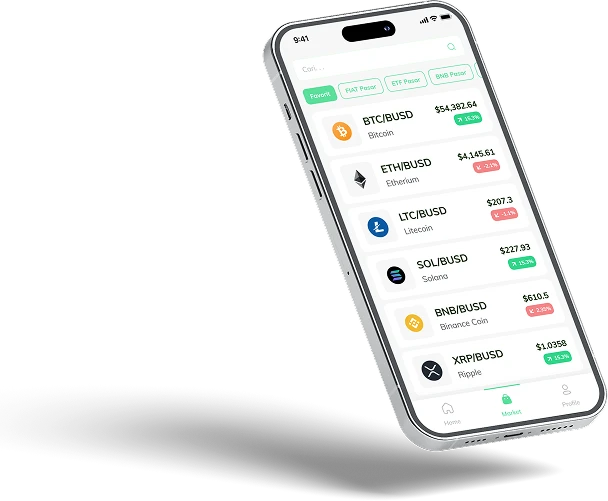
In many trading environments, decisions are shaped by how positions are arranged rather than external triggers. Traders often evaluate whether liquidity is concentrated above or below current levels before entering a trade. For example, entering near a crowded zone may increase the chance of slower movement, while entering near a thin area can result in quicker expansion. Comparing these scenarios helps refine execution choices.
Another perspective examines how depth within the market affects movement. Markets with higher participation across multiple levels tend to absorb pressure more gradually, while thinner environments may react sharply to smaller orders. Analysing how depth changes across different conditions reveals why the same strategy may produce different outcomes depending on the structure present.
Some discussions focus on how behaviour changes depending on the time frame being considered. Short term participants may react quickly to immediate positioning, while longer term participants build exposure more gradually. Comparing these approaches highlights how conflicting time horizons can create temporary moves that later stabilise as broader positioning takes effect.
Timing plays a role beyond entry alone. Entering too early may expose a position to unnecessary fluctuation, while delayed entry can reduce potential opportunity. Evaluating how timing aligns with liquidity and positioning helps explain why similar setups can lead to different outcomes. This perspective emphasises precision in execution rather than relying on general market expectations.
Market reactions often depend on how participants are positioned before an economic update rather than the update itself.
If a large number of traders already expect a certain outcome, price may move in the opposite direction once the data is released. Interpreting this behaviour highlights how expectations and positioning can outweigh the headline figure
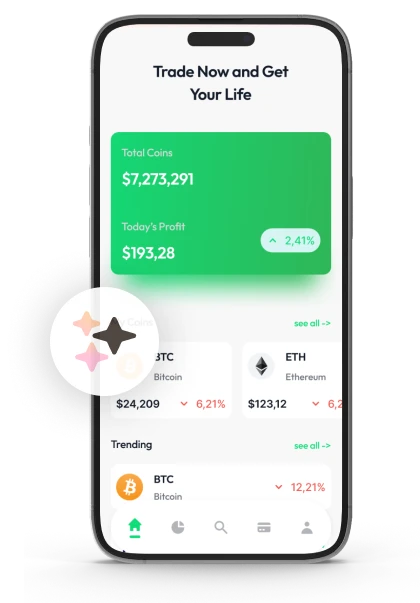
A different perspective focuses on how capital moves between sectors when conditions change. Instead of reacting uniformly, funds may shift from one asset group to another based on perceived opportunity. For example, movement from defensive assets into growth oriented sectors can signal changing risk appetite. Analysing these rotations helps explain how financial systems adjust beneath the surface.
Decision making in trading often revolves around managing exposure rather than predicting direction. Traders may evaluate how much risk to take based on position size, entry level, and surrounding liquidity. For instance, entering near a high activity zone may require tighter control compared to entering in a quieter area. Interpreting these choices shows how risk thinking directly influences execution.
Design choices in Kruvestal combine clean layouts, drag-and-drop widgets, and guided prompts, ensuring advanced analytics feel approachable to first-time investors while still offering seasoned traders deep customisation.
| 🤖 Enrollment Cost | Free of charge enrollment |
| 💰 Transaction Fees | No transaction fees |
| 📋 SignUp Procedure | Efficient and prompt registration |
| 📊 Curriculum Focus | Courses on Cryptocurrencies, the Forex Market, and Other Investment Vehicles |
| 🌎 Accessible Regions | Excludes USA, available in most other regions |